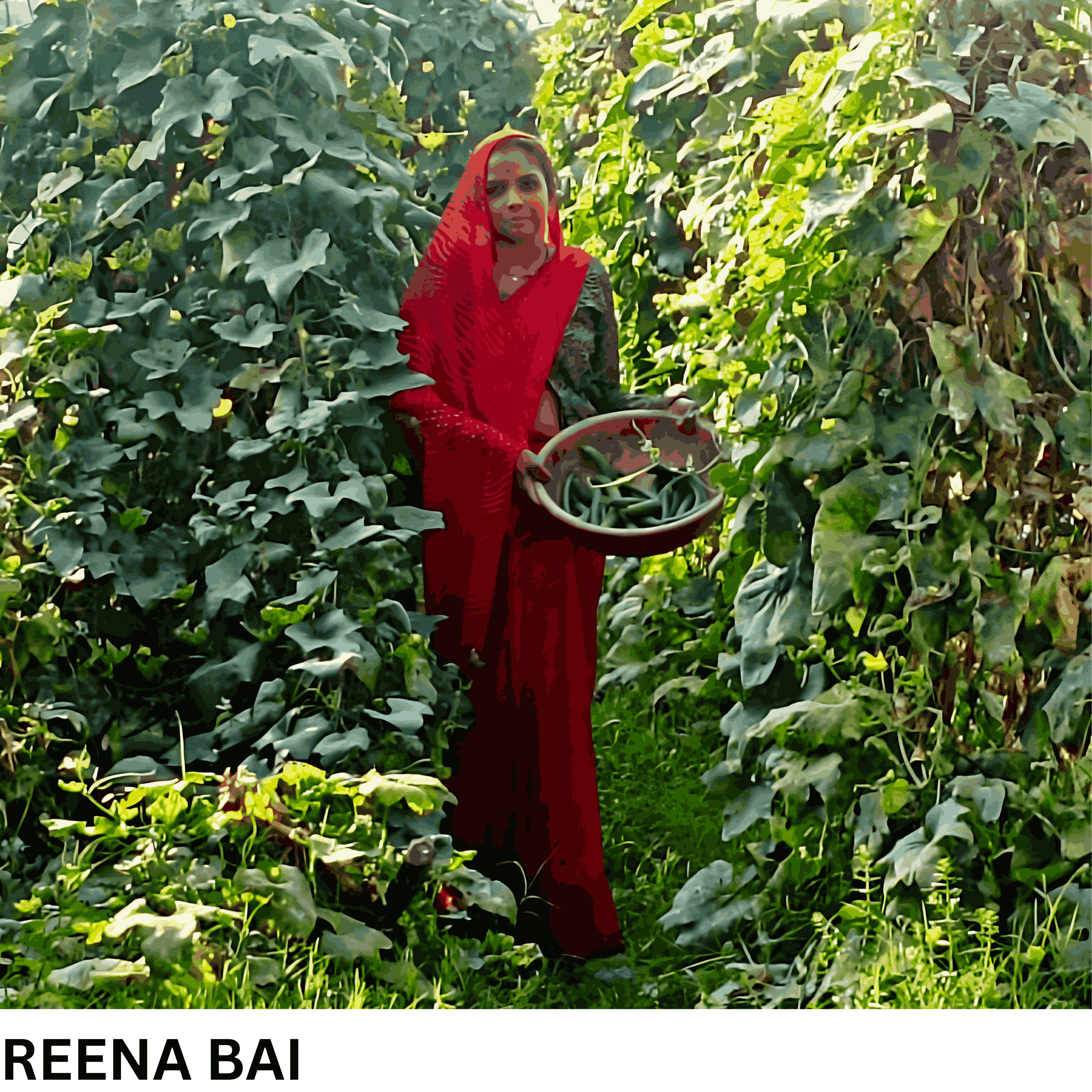
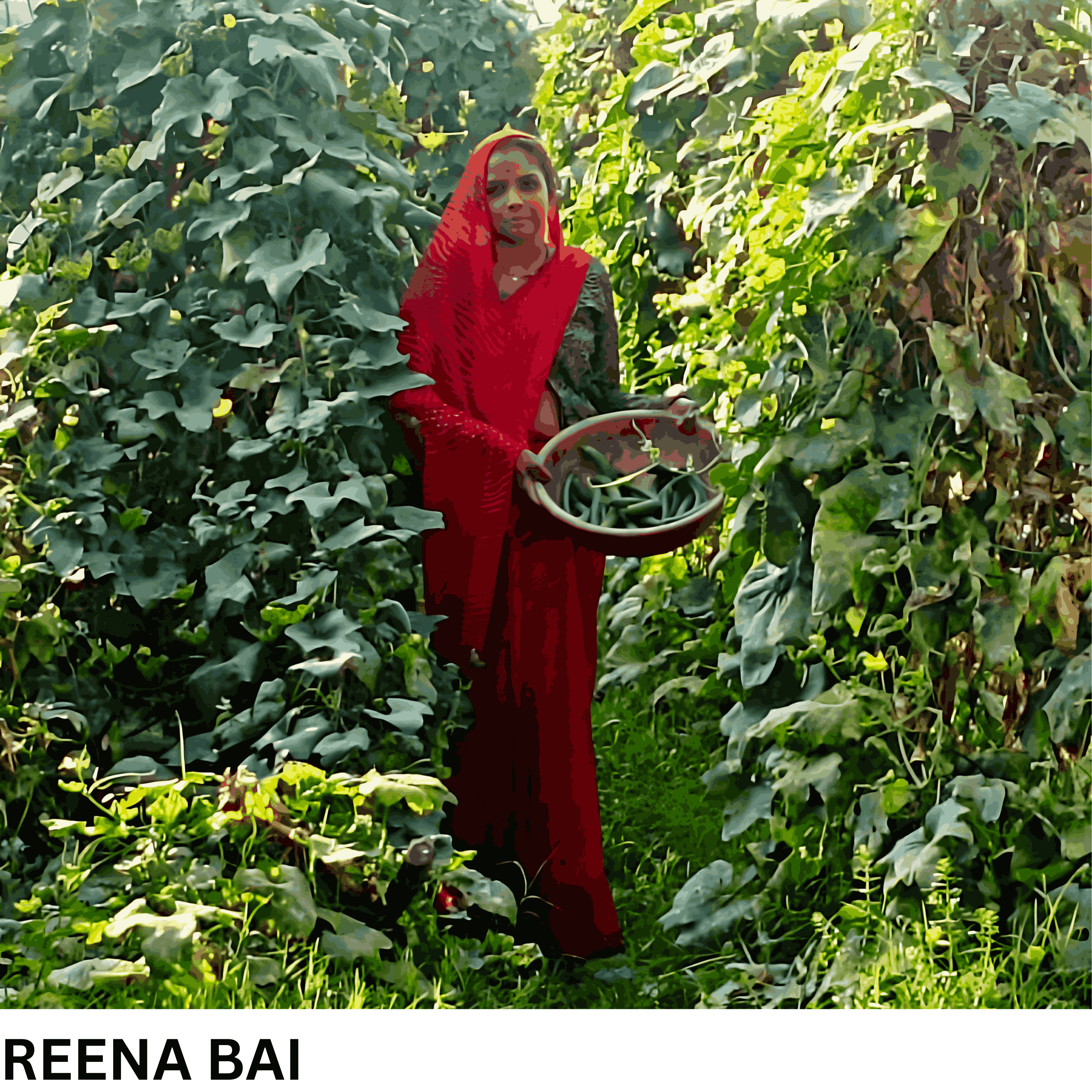
In Barothiya, a village near
Ujjain, farmers were struggling to make ends meet. However, in 2019, the Good
Farming-Good Food programme brought about positive changes by improving farming
practices and introducing crucial health knowledge. Renna Bai recalls her
previous situation: I used to grow food grains on my 2.0 acres of land but
wasn't earning much. I’d spend ₹30,000 but only make ₹34,000.
When the Good Farming-Good Food
programme came to our village, the team taught us sustainable farming
techniques and shared knowledge about Nutrition Garden—helping us understand
how to obtain nutrition through farming. They educated us about the nutrients
found in everyday foods and how they can help address common health problems. I
learned what to eat when recovering from various health issues and received
simple tips for a healthier diet.
Following their advice, I decided
to grow vegetables on 1.0 acre, utilizing soil testing and organic fertilizers.
With the information provided by the Solidaridad team, we focused on
sustainable agriculture methods like germination tests, seed treatment, proper
seed rates, and correct spacing. We also began using organic products made from
local resources, such as Panchagavya, Matka compost, cow dung water, neem
extract, coconut chutney, and heap NADEP. This approach has helped reduce costs
on chemical fertilizers and pesticides by up to 80%. To my surprise, I made
₹68,000!
Now, I grow vegetables on more
land and make between ₹60,000 and ₹75,000 per season. I’m incredibly thankful
for the programme’s support in helping me turn my life around. "I used to
work in the fields from dawn till dusk, with barely any time for my family. But
now, thanks to the programme, I have more time to spend with my loved ones. I’m
proud of what I’ve achieved, and it’s inspiring to see other farmers in our
village follow my example and start growing vegetables. Together, we’re
building a more sustainable and prosperous community. -Reena
Bai commented