In the heart of Maholi village in Bhopal
district, a quiet but powerful transformation is taking root. On a small patch
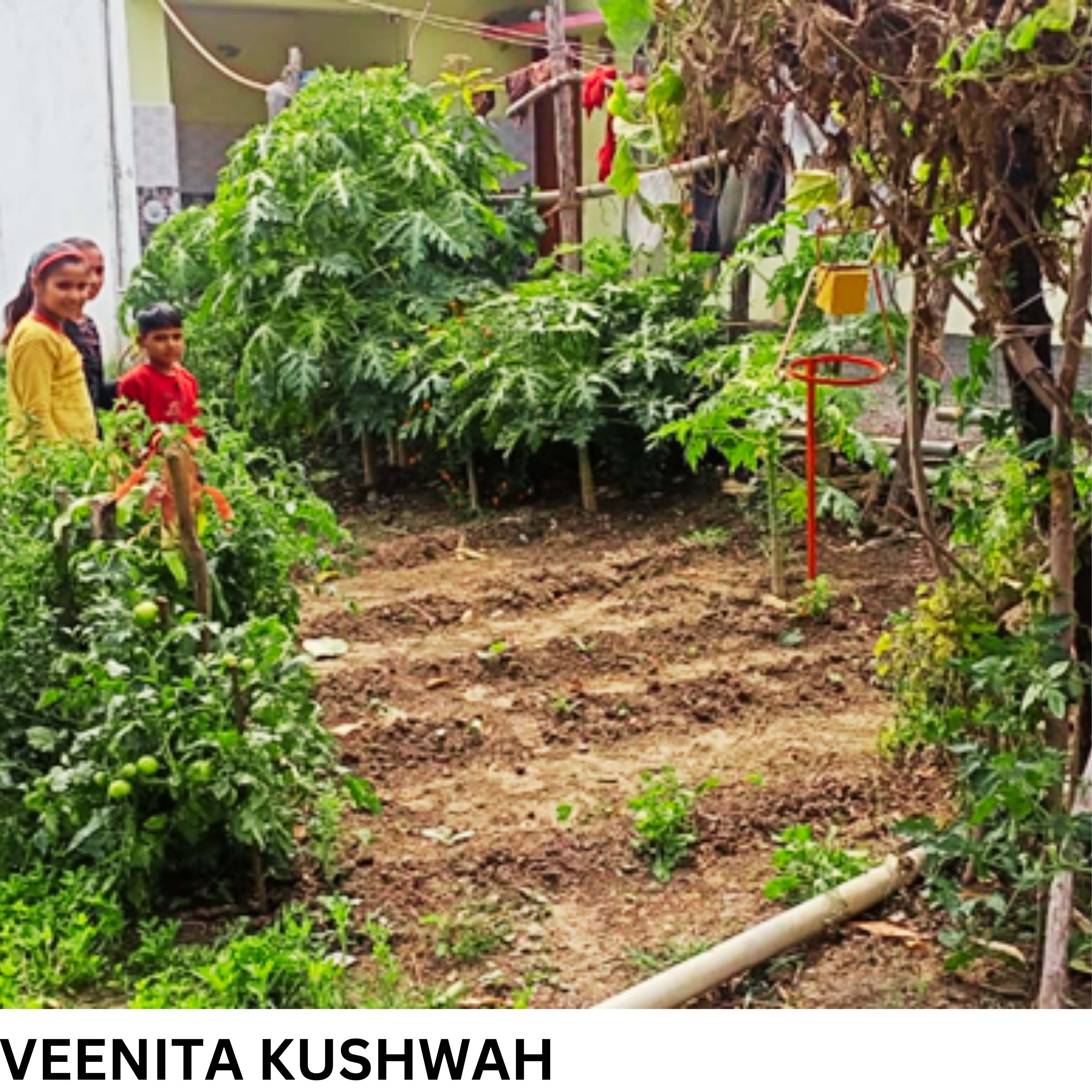
of land next to her home, Vinita Kushwaha, a 35-year-old mother of three, is
cultivating more than just vegetables she
s cultivating a new way of life.
For years, Vinita had been growing seasonal
vegetables on the fringes of her farmland. But the yields were erratic, and she
lacked the technical know-how to make the most of what she had. That changed
when Maya Kushwaha, a trained Nutrition Para Worker under the Good Farming–Good
Food–Good Health (GFGFGH) programme by Solidaridad, visited her during a
community outreach drive.
Maya introduced Vinita to the concept of a
nutrition garden a small, well-managed
patch where a family can grow a variety of nutrient-rich vegetables year-round.
Along with scientifically packed seasonal seeds — spinach, fenugreek, okra,
brinjal, tomatoes, and more — Maya offered practical guidance on how to prepare
raised beds, maintain crop rotation, and use organic compost.
I used to just scatter seeds and hope
something would grow, Vinita admits. I didn’t know that the way we prepare the
soil and plan the planting makes such a big difference.
With support from the GFGFGH field team, she
laid out six raised beds on her 1,000 sq ft plot using a multi-tier cropping
system. Within just two months, her garden started producing enough vegetables
to meet 80% of her family’s daily nutrition needs, drastically reducing
dependency on the market.
The garden now yields around 10–12 kg of fresh
vegetables each week, enough to feed her family and occasionally share with
neighbors. This has helped her save nearly ₹500–700 every month, which earlier
went into buying vegetables from the local haat.
But the benefits go far beyond economics.
Vinita has become more conscious about the nutritional value of different
foods. Her children now eat home-grown leafy greens, and she s started
including drumstick leaves, amaranth, and carrots in daily meals. Maya also
trained her on how to prepare recipes rich in iron and protein—especially
important in a region where anemia among rural women is as high as 52.5%, as
per NFHS-5.
This garden has made a big difference in our
lives, Vinita says with pride. We’re not only eating better, but I also feel
more confident in managing our food needs.
Vinita s thriving garden has inspired at least
five other women in her self-help group to start their own. Together, they now
exchange seeds, recipes, and farming tips growing a small but resilient network
of women who are turning nutrition into a community movement.
In a world where rural malnutrition and rising
food prices remain pressing challenges, Vinita s story is proof that solutions
can be as local as a backyard garden — and as powerful as a woman determined to
grow change.